


A Physiotherapist’s Guide on Training in mid life and beyond
What is Menopause?
Menopause is a milestone, marking 12 months since your last period. It's when your ovaries stop producing hormones, and menstrual periods cease. The average age is 51, but it can range from 45 to 55. “Menopause” itself is only one day on the calendar; everything after that is post-menopause, but our common language refers to the whole time, from transition to beyond, as Menopause.
Understanding Perimenopause
Perimenopause is the period leading up to your final period, usually between the ages of 45 and 55. It lasts 4-6 years for most but can be as short as 1 year or as long as 10. Women as young as 35 can enter perimenopause. This period is a whirlwind of change, driven by erratic hormone levels, with symptoms such as hot flushes, night sweats, brain fog, and mood swings. Irregular periods are a hallmark of this transformative phase.

The Hormonal Timeline
The graph above shows hormonal changes during pre-, peri-, and post-menopause. Note the regular cycles during the reproductive years, the rollercoaster in perimenopause, and the dip and flat levels after menopause. The graph above tells the story: consistent cycles, chaotic ups and downs, then a flatline.
Health Implications
It's not just about hot flushes and night sweats. The drop in hormones such as oestrogen, progesterone, and even testosterone (yes, women have this too!) that starts in our mid-30s can lead to serious health issues. These include heart disease, cognitive decline (such as Alzheimer’s and dementia), brittle bones, extra belly fat, less muscle tissue, and other significant medical conditions. Every organ and tissue in our body has receptors for these hormones, so their decline affects overall health, from mood and memory to mid-life moustaches!
Brain Health
Dementia, including Alzheimer’s disease, accounted for over 17,500 deaths in 2024 and is now the nation’s leading cause of death, overtaking ischaemic heart disease, according to recent data released by the Australian Bureau of Statistics. The number of deaths caused by dementia has risen by 39 per cent over the last decade (ABS, 2024).
In Australia, heart disease takes one woman's life almost every hour, and symptoms in females differ from those in males, often going unrecognised and therefore untreated.
Bone Health
Loss of bone density is another major concern. One in four women over 50 will be diagnosed with osteoporosis, which makes bones brittle and prone to fractures. In Australia, one in two women will fracture a bone. Fractured hips total 19,000 per year, with up to 25% dying within the first year. Both heart disease and bone loss are silent diseases, often unnoticed until a fracture or heart attack occurs.

Peak bone mass is attained by age 30, after which it begins to decline. The decline in bone density during perimenopause and post-menopause varies among women and usually occurs at about 1-2% per year. Over ten years, this can lead to a loss of around 20% of total bone mass. Women are four times more likely to develop osteoporosis than men, mainly because of oestrogen loss. By age 80, women can lose up to 50% of their bone mass, while men generally lose about 18%.
The best ways to combat the inevitable bone loss that co-exists with declining oestrogen levels are weight-bearing exercise, especially high-impact moves… think jumps, hops and high knees reminiscent of 1990s aerobics classes! And, of course, strength training – preferably heavy and 2-3 times weekly.
Muscle Health
As we age, we also face the risk of sarcopenia, the loss of muscle mass and strength. This begins after our 30s, with a loss of about 3–8% per decade, and becomes noticeable by age 50.
This can lead to frailty, reduced mobility, and an increased risk of falls and fractures. Low muscle mass has also been linked to greater cognitive decline and increased systemic inflammation. To combat this, resistance training and progressive overload are essential. By consistently challenging your muscles with increased resistance, you can build and maintain muscle mass, improve bone density, improve cognitive function and enhance overall strength and stability.
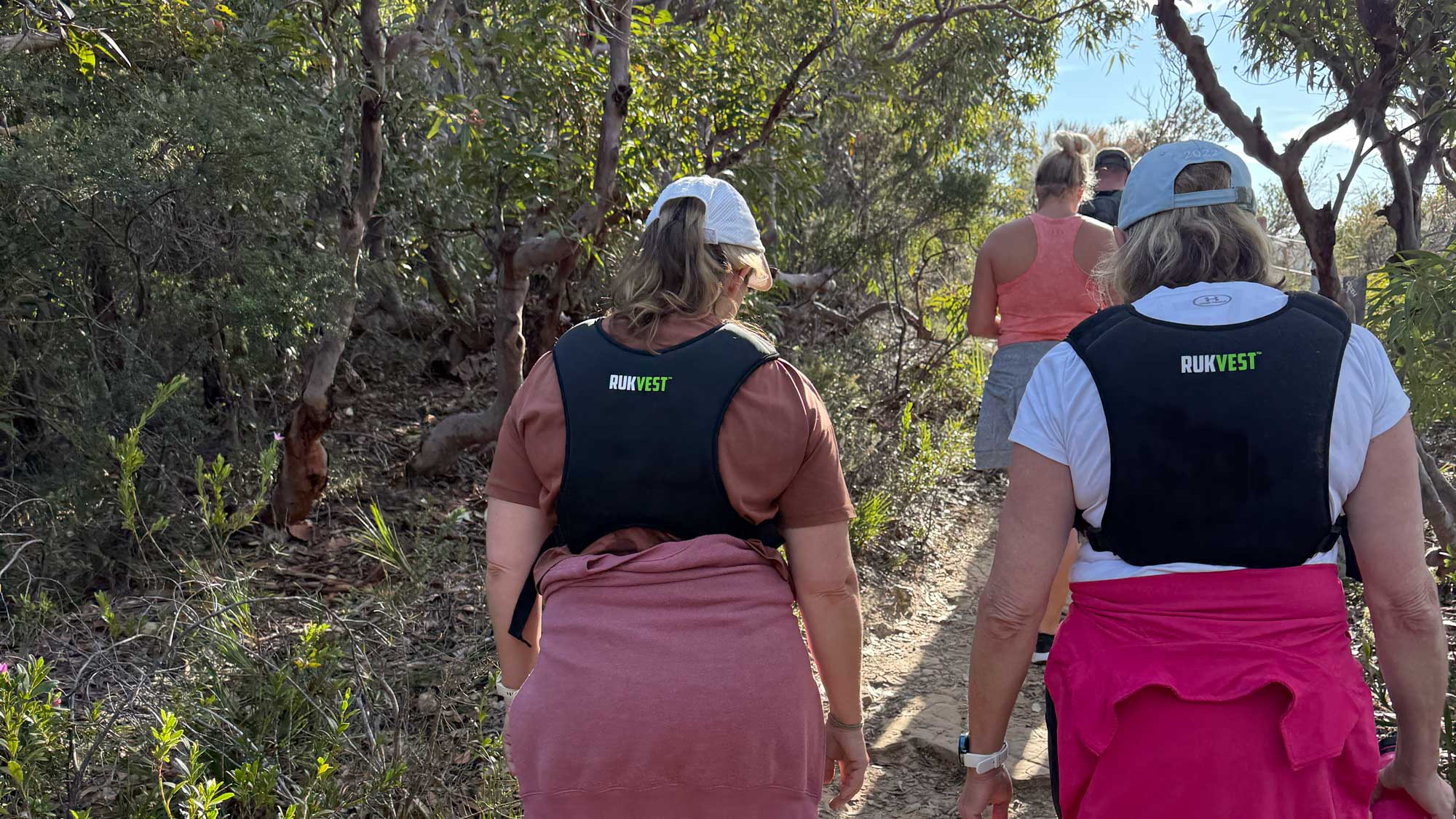
And here’s how weighted vests weigh in…;)
- Boost Your Workout: Wearing a weighted vest adds extra resistance, making every move more challenging and effective. Feel the burn and watch your strength soar! Pop it on when you walk, and those mild inclines become killer hills worthy of huff and puff!
- Versatile Training: Perfect for a variety of exercises, from squats and lunges to running and walking, hopping and jumping! Weighted vests are your new go-to for any workout.

Ageing Intelligently
From our mid-30s onward, our hormones go on a rollercoaster ride. We start losing bone and muscle, and our bodies have new requirements. Our diet must shift, workouts need adjustments and essentials like sleep and stress must be addressed. The priorities are to build muscle and bone, keep fat in check (especially around organs), and stay strong to prevent illnesses such as heart disease, diabetes, Alzheimer’s, dementia, and osteoporosis.
Your future self starts right now!
NOW is the time to take control of your health and harness the power of resistance training. Start incorporating weight-bearing exercises into your routine and challenge yourself with progressive overload. Not only will you build strength and resilience, but you'll also protect your bones, muscles, and overall well-being. Let's defy the odds and age gracefully, strong and healthy. It’s NEVER too late, and your future self will thank you!
Written by Katherine Tsebelis
- Physiotherapist
- Integrative Nutritionist
- Certified Menopause Practitioner
- Clinical Pilates Instructor
- Yoga Instructor
- E: kath@peri-menopausephysiotherapist.com
- www.peri-
menopausephysiotherapist.com


Share:
From Recovery to Performance: Where Weighted Vests Fit in the New Wellness Economy
Celebrities That Know How Rucking Good Weighted Vests Are