


Recovery has gone from “nice extra” to full business pillar.
Infrared saunas, compression boots, cold plunges, red light and massage guns now sit alongside treadmills and squat racks in many gyms, studios and clinics. Members are buying into the idea that feeling better is worth paying for.
The problem: feeling better doesn’t automatically mean moving better.
Most of the modern “wellness stack” helps clients relax, down-regulate and de-stress. That matters. But without structured loading, you’re not building the tissue tolerance, strength and balance that actually change how they move in the real world.
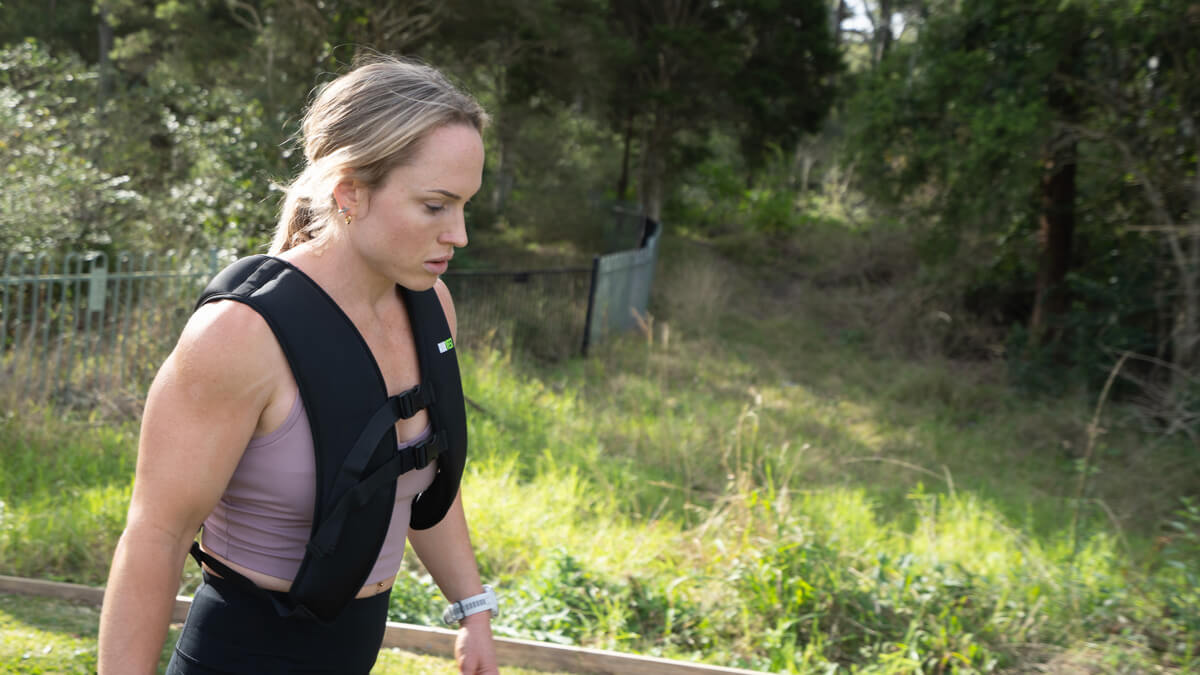
Weighted vests are one of the simplest ways to plug that gap.
Used well, they sit between recovery and performance: low-tech, high-control, and easy to scale across general population, older adults and athletes.
Key Takeaways
-
Most “wellness” tools improve how clients feel, but do little to increase bone density, strength or load tolerance.
-
Weighted vests offer a low-tech, high-control way to introduce structured loading into recovery and rehab-adjacent programs.
-
Key use cases: vest-assisted walking, balance and gait drills, bone health circuits, and return-to-running or sport progressions.
-
Success depends on conservative progression, clear screening, and short “load literacy” sessions that teach clients how to handle load safely.
-
Vest design matters: comfortable, evenly distributed weighted gel load is critical for client buy-in and long-term adherence.
The Load Gap in Modern Wellness
Look at a typical wellness upgrade in a gym or clinic:
- Sauna or cold plunge
- Compression boots and/or massage tools
- Low-intensity cardio
- Maybe some mobility or breathing work
This stack can improve:
- Subjective recovery (less sore, less stiff)
- Sleep and relaxation
- Willingness to train again
What it doesn’t do by itself:
- Increase bone health
- Improve strength under load
- Raise the ceiling on what joints and tissues can tolerate
So you end up with clients who:
- Feel “ready”, but
- Still have low capacity, poor confidence and limited robustness
That’s the load gap. The missing step between feeling good and being harder to break.
Weighted vests give you a way to address that gap without jumping straight from “sauna and stretch” into barbells, sprinting or high-impact circuits.
Why Weighted Vests Work So Well in This Space
Three reasons vests fit naturally into a wellness-focused environment:
-
Hands-free load
Clients can use handrails, supports or assistive devices while still getting a meaningful training effect. -
Load at the centre of mass
The load sits close to the torso instead of at the ends of levers (like dumbbells). That often feels more stable and less threatening for anxious or deconditioned clients. -
Fine-grain progression
You can layer the load it onto simple movements your members already know: walking, step-ups, split stance, basic balance drills.
Paired with good screening and coaching, this makes weighted vest work a solid bridge from “wellness” to “actual physical capacity”.

Recovery-Adjacent Use: Low Load, High Control
In recovery and rehab-adjacent programs, you are not trying to show clients how hard they can go. You are teaching them how to tolerate a little more than yesterday.
Think about:
- Post-rehab clients back from physiotherapy
- Deconditioned members building basic capacity
- Older adults working on falls prevention, bone health and confidence
Good starting applications:
1. Vest-Assisted Walking
- Surface: flat or slight incline
- Load: ~3–7% of body weight for most beginners
- Duration: 10–20 minutes of walking inside a longer session
- Frequency: 2–3 times per week
Progress by adding time or frequency first. Load is the slowest variable to move.
2. Balance and Gait Drills
- Marching in place or along a line
- Step-ups to a low box or step
- Tandem stance, heel-to-toe walking, supported single-leg stance
The vest becomes a subtle way to increase demand on posture, hips and ankles without changing the movement pattern.
3. Bone and Joint Health Blocks
Simple “bone health” circuits can sit after a recovery modality:
- 5–10 minutes of upright loaded work
- Movements: squats to chair, step-ups, short walks, supported lunges
- Goal: frequent, low-dose loading over weeks and months
For these clients, rules are simple:
- Get medical clearance when appropriate
- Start with conservative load and volume
- Move only one progression dial at a time (time, frequency or load)
Here, the vest is basically a wearable micro-barbell with much less intimidation factor.

Turning Education Into a Product: “Load Literacy” Sessions
Gyms and clinics are already monetising recovery via memberships, bundles and add-ons.
PTs can do the same with “load literacy”:
- Short, structured 15–20 minute sessions
- 1:1 or small group (2–4 people)
- Built around teaching clients how to handle small amounts of load safely
Content might include:
- Posture, breathing and bracing under a light vest
- How to differentiate “good tired” from “bad pain”
- Simple rules of thumb for when to add load and when to back off
- A basic home or gym micro-program using vest walking and step-ups
This positions PTs and Gyms not just as a place to relax, but as a place that educates people on how to interact with load for the rest of their lives.
Bridging to Performance: From Clinic-Safe to Field-Ready
On the other end of the spectrum, you have:
- Field and court athletes
- Runners returning from time off or injury
- High-functioning members who use recovery services to support heavy training blocks
Here, weighted vests help bridge the last 20–30% between controlled rehab and full-speed performance.
Useful roles:
1. Return-to-Running Progressions
- Start with vest-assisted walking and marching
- Layer in short intervals of light jogging
- Keep load modest (often under 10% body weight) while you rebuild tolerance
The focus is not on making running “harder”. It’s on building tissue capacity in a structured, predictable way.
2. Controlled Impact and Landing Work
Before you send someone back to maximal change of direction or jumping:
- Introduce low box step-offs and stick landings
- Use shallow jumps, hops and bounds
- Keep landing volume modest and control the environment
The vest adds enough load to challenge structure and control without the chaos of full sport.
3. Hands-Free Loading for Complex Patterns
For field drills that need hand use (ball handling, tackling technique, change of direction work), a vest gives you added load without interfering with the skill component.
The same key principles still apply:
- Screen first
- Introduce load and impact gradually
- Avoid stacking too many new stressors in one week (new load, new drill, new surface etc.)

Design and Comfort: Why the Wrong Vest Kills Buy-In
All of this only works if clients actually wear the vest.
If a vest:
- Cuts into shoulders
- Bounces and shifts with every step
- Rides up, rubs, or feels unstable
Most clients will quietly avoid it.
That’s where design matters. Features that make a difference in a wellness and rehab-heavy environment:
- Even load distribution around the torso
- Weighted gel elements that conform to the body and spread pressure rather than concentrating it on small contact points
- Secure but simple closure systems (front-entry designs are easier for older or restricted clients)
- Minimal bounce during walking and low-level jogging
For low-intensity but longer sessions, comfort is not a luxury. It is the main driver of adherence.
Common Mistakes When Adding Weighted Vests to Wellness Programs
A few traps to avoid:
-
Going straight to “beast mode”
Introducing vests in the hardest class of the week with no prior exposure guarantees sore joints and poor word-of-mouth. -
Skipping screening and red flags
Prior fractures, joint replacements, significant balance issues, uncontrolled cardiovascular risk and unmanaged pain all warrant extra caution. -
Progressing everything at once
New load, new movement, new surface, more volume and less rest in the same week is a fast way to overcook clients.
Implementation Checklist for PTs and Gyms
If you want to bring weighted vests into your wellness and recovery offering, keep it simple:
-
Define clear use-cases
Older adults and falls prevention, post-rehab and deconditioned members, return-to-running or sport bridge. -
Create 1–2 standard “load literacy” micro-sessions
Script the coaching points, standardise loads, time and progression rules. -
Pick equipment that people actually want to wear
Even load distribution, weighted gel for comfort and pressure management, easy to put on, adjust and clean. -
Train your team
Red flags and screening, how to coach breathing, bracing and basic movements with a vest, simple language to explain “why” to clients. -
Integrate with existing recovery products
Offer vest-based loading right after selected recovery sessions, build short progressive blocks members can follow for 4–8 weeks.
The Bottom Line
Recovery tools help clients feel better. Weighted vests help them do more.
Used intelligently, they don’t compete with your saunas, cold plunges or compression units. They complete them by turning a temporary feeling of recovery into lasting physical capacity.
That’s what the modern wellness economy actually needs: not just calmer, less sore members, but stronger, more resilient ones who can stay active for longer.


Share:
How to Choose the Best Weighted Vest for Your 2026 Fitness Goals
Load it or Lose It: Menopause, Muscle, Bone and Brain Health