


Key Takeaways
- A properly fitted weighted vest protects your joints, improves posture and makes training feel smoother.
- RUKVEST is size adjustable via front and side tabs, but the weight is fixed.
- The vest should fit snug around your ribs and lie flat against your chest and back.
- Tighten front tabs first, then side tabs, aiming for secure but easy breathing and free shoulder movement.
- If it bounces, digs in or squeezes your ribs, make small adjustments and retest with walking and squats.
- Use the video on the page plus this checklist to fine tune your fit so the vest feels like part of you.
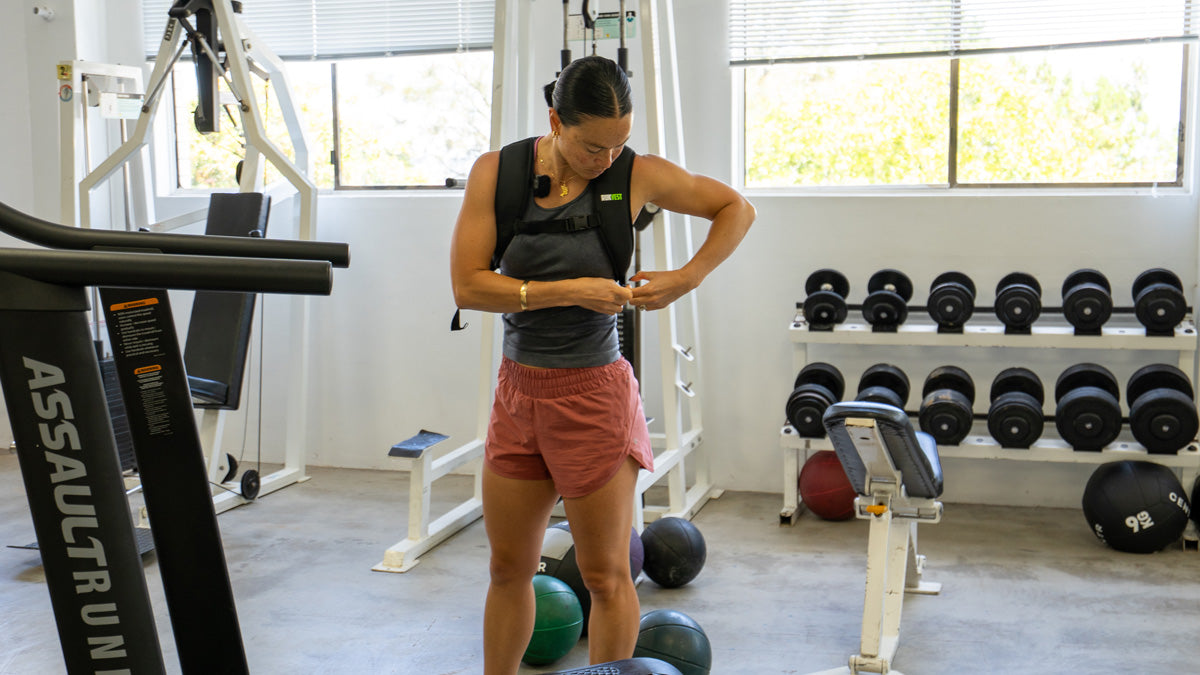
Getting the fit of your weighted vest right is the difference between a session that feels smooth and supported, and one that feels like you’re fighting your gear the whole time. In the video above, we walk you through how to adjust your RUKVEST for a secure, comfortable fit. This guide breaks down the steps and explains why that fit matters for your joints, posture, and performance.
Why a Proper Weighted Vest Fit Matters
Your RUKVEST is designed with weighted gel that sits close to your body, so the load is evenly distributed across your torso instead of bouncing or digging in. But even the best materials won’t feel good if the vest is sitting too low, too loose, or too tight.
A well-fitted vest helps you:
- Protect your joints: A stable load means less unwanted torque through your knees, hips, and lower back.
- Maintain good posture: When the vest sits correctly, it encourages an upright, stacked position rather than pulling your shoulders forward.
- Breathe properly: You should feel supported around your ribs without feeling squeezed every time you inhale.
- Move naturally: No rubbing, chafing, or bouncing on your chest while you walk, ruck, squat, or lunge.
- Train consistently: If the vest feels comfortable, you’re far more likely to use it regularly and see results.

How a Weighted Vest Should Feel
Before you start adjusting anything, it helps to know what you’re aiming for.
- The vest should feel snug but not restrictive. You can slide a couple of fingers under the edges, but it shouldn’t be loose enough to swing or shift.
- The weight should feel even front and back, not like it’s hanging off your shoulders or dragging on your lower ribs.
- You should be able to take a full breath into your ribs without feeling pinched.
- When you move, the vest should move with you, not up and down or side to side.
Adjusting Your RUKVEST: Step-by-Step Fit Guide
RUKVEST is size adjustable via the front and side tabs. It is not weight adjustable, so once you’ve chosen your vest weight you simply customise the fit to your body.
1. Start with the vest loosened
Put your RUKVEST on like a regular vest or jacket. Before you do up any tabs, make sure the side and front tabs are loosened so you have room to move things into place.
2. Position the vest on your torso
- Front: The shoulder seams should sit on the shoulders and not be tipped towards the back.
- Back: The vest should sit flat against your upper and mid back, not slumping down toward your lower back.
3. Adjust the front tabs
Once the vest is sitting in the right place, tighten the front tabs first:
- Pull the front tab/s firmly until the vest feels snug across your chest.
- Check that the vest is centred and not twisted or pulled more to one side.
- You should still be able to breathe comfortably and move your arms freely.

4. Adjust the side tabs
Next, tighten the side tabs to wrap the vest around your ribcage and midsection:
- Pull both tabs to an even length to keep things even.
- You’re aiming for a secure wrap that holds the weighted gel close to your body without compressing your ribs.
- Sit or bend forward slightly and check that nothing digs into your ribs, hips, or underarms.

5. Do the “movement test”
Before you train, do a quick check:
- Take 5–10 normal breaths. If your breathing feels restricted, loosen the tabs slightly.
- Walk on the spot or do a short lap. The vest should stay close to your body, with minimal bounce.
- Perform a few squats or lunges. Make sure the bottom of the vest doesn’t hit your thighs or ride up.
- Do some gentle arm swings. Your shoulders should move freely without rubbing.
If anything feels off, fine-tune the front and side tabs until the vest feels like part of you, not something you’re fighting against.
Common Fit Mistakes (and How to Fix Them)
Too loose and bouncing
Feeling the vest bounce on your chest or back? Tighten the side tabs first to lock the weighted gel in close to your body, then snug up the front tabs. A small adjustment can make a big difference in how stable it feels.
Too tight around the ribs
If you can’t comfortably take a full breath, you’ve gone too far. Loosen the side tabs a little at a time until you can breathe deeply without feeling squeezed.
Digging into the neck or underarms
This usually means the vest is either sitting too high or the front tabs are over-tightened compared to the sides. Reposition the vest slightly lower on your torso and re-balance how much you tighten front versus side tabs.
FAQ: Fit and Adjustability
Can I change the weight of my RUKVEST?
No. RUKVEST is not weight adjustable. It’s designed around a fixed training weight using weighted gel to keep the load low profile and comfortable against your body. You adjust the fit, not the weight.
What if the weight feels too heavy at first?
That’s normal when you first start training with added load. Keep the vest fitted correctly, then:
- Shorten your sessions.
- Stick to easier terrain or slower paces.
- Build up time and intensity gradually as your body adapts.
Should I wear it over or under clothing?
Most people find it most comfortable over a fitted top. Avoid thick seams or bulky hoodies underneath that can bunch up and cause hot spots. A simple, close-fitting layer helps the vest sit smoothly against your body.
Use This Guide With the Video
For a visual walkthrough, watch the adjustment video at the top of this page while you follow these steps. Pause as you go, tweak your front and side tabs, and give yourself a few minutes to dial in the perfect fit.
Once your RUKVEST is set up for your body, it should feel stable, supportive, and almost invisible so you can focus on what matters: moving well, training consistently, and getting stronger.


Share:
10-Minute Weighted Vest Workout for Busy Parents
What Weight Should I Ruck With? How to Choose Your Starting Load