



Picking the right ruck weight is the difference between building durable fitness and flaming out with sore joints and a cranky back. The good news: you don’t need to overthink it. Start lighter than you think, build consistency, then add load slowly.
A simple rule of thumb: begin around 5-10% of your body weight and only increase when that feels genuinely easy with good form. Most people land somewhere in the 5–10kg (10–20 lb) range when they first start rucking.
Why Your Ruck Weight Matters
Rucking is brilliantly simple: put weight on your body, go for a walk. But the weight you choose dictates whether you:
- Build strength, endurance and bone density safely, or
- End up with sore knees, tight hips and a back that hates you
Too heavy, too soon, and your joints cop the load before your muscles and connective tissue are ready. Start conservative, let your body adapt, then nudge the weight up over time. With a good setup, like a well-fitted RUKVEST with weighted gel, or a weight adjustable RUKSAK even a heavier load can feel surprisingly manageable because the load is distributed properly.
Step 1: Assess Your Starting Point
Check Your Current Fitness Level
Before you worry about exact numbers, be honest about where you’re at:
- Brand new to rucking or strength work? Start lighter. Your ego doesn’t get a vote.
- Already walking regularly or lifting? You can usually handle a little more, but you still don’t skip the “easy start” phase.
- Any existing injuries or niggles? Ankles, knees, hips or lower back issues all point to being extra conservative with load.
If you’re unsure, default to “too light” rather than “too heavy”. You can always add extra intensity later, you can’t un-do a flare-up.
Simple Starting Guidelines
As a rough guide:
- ~5-10% of body weight is a smart starting point for most people.
- If you’re under ~70 kg / 150 lb, that’s often in the 5–8kg / 15–20 lb zone.
- If you’re over ~70 kg / 150 lb, starting around 10–15 kg / 20–30 lb can be okay if you’re otherwise active – but only if it feels controlled and repeatable.
The key is how it feels over the whole ruck, not just the first five minutes.
Special Considerations: Age, Sex and Bone Health
Older Adults and Those Returning After a Break
If you’re 50+, coming back from a long layoff, or managing joint issues:
- Stay closer to 5–8% of body weight to start.
- Use shorter distances and flat terrain at first.
- Increase either distance or weight – not both at the same time.
You still get all the benefits – improved strength, balance, and bone density – without hammering your joints.
Women and Bone Health
For many women, especially peri-menopausal and post-menopausal, rucking is a great tool for bone health. The loaded impact:
- Helps maintain bone strength
- Builds hip and spine strength where you need it most
- Improves balance and coordination, reducing fall risk
The same rule applies: start light, be consistent, then build from there. Think of it as long-term “bone insurance”, not a 6-week challenge.

Choosing Your RUKVEST Starting Weight
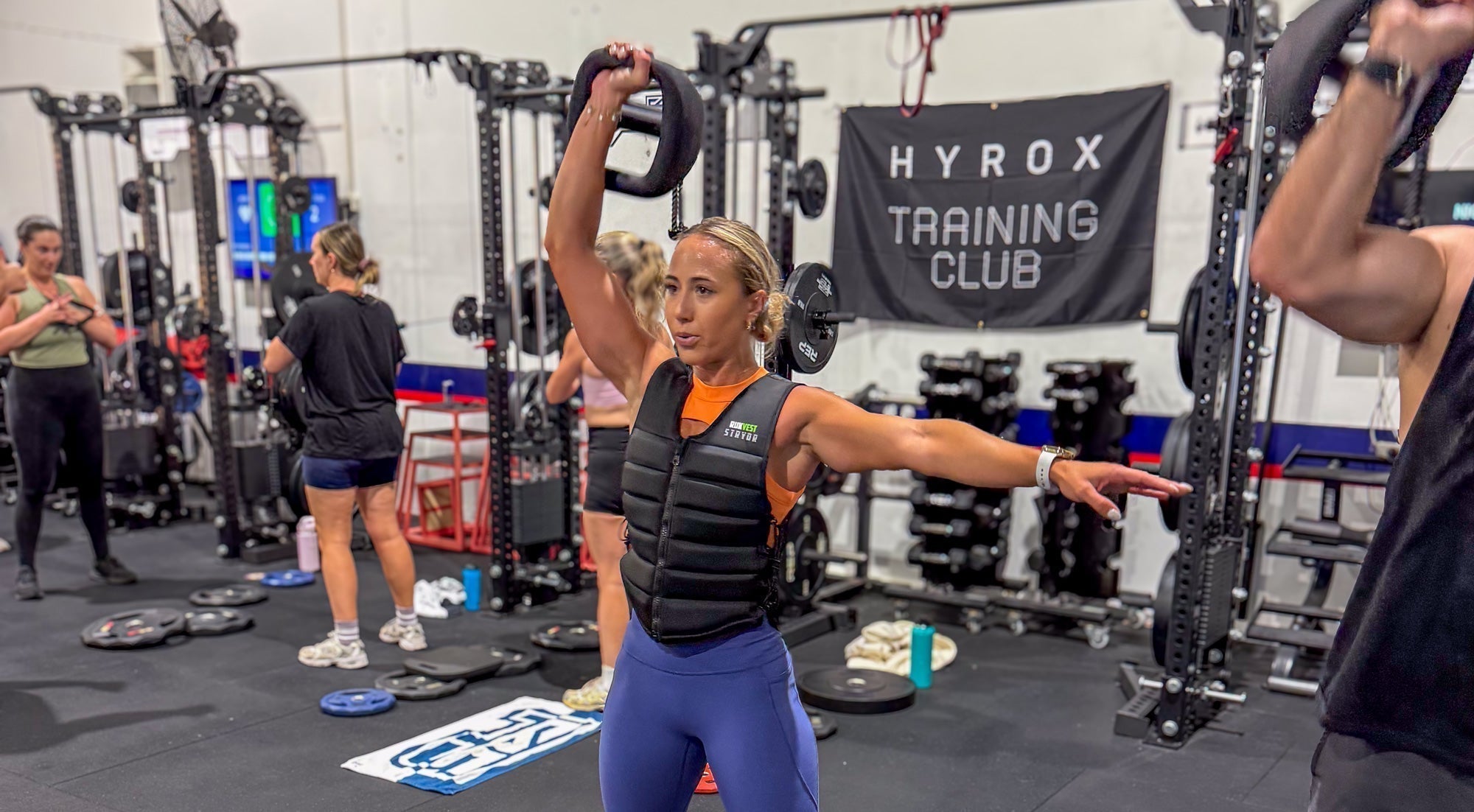
With a RUKVEST, you’re effectively wearing your ruck on your torso instead of on your back. That’s great for posture and comfort, as long as you respect the load.
Beginner RUKVEST Weight Ranges
For most beginners:
- New to rucking / strength: Start around 5–10% of body weight in the vest.
- Already lifting or doing regular conditioning: You may be comfortable closer to 10–15% – but only if you can maintain good form for the full distance.
If in doubt, ask yourself: “Could I repeat this same walk again tomorrow without everything hurting?” If the answer is “absolutely not”, the weight is too high.
Understanding RUKVEST Options and Customisation
RUKVEST is built to be adjusted to fit all shapes and sizes. Adjustable straps ensure the vest hugs your torso and doesn’t bounce with every step. Invest a few minutes in getting the fit right before you add distance or hills. A well-fitted vest at 8 kg will feel better than a sloppy one at 5 kg.
Fit First: Comfort and Adjustable Features
Even the “perfect” weight will feel awful if the fit is wrong. When you put your RUKVEST on:
- The vest should sit snug, not loose, and not so tight it restricts breathing.
- The weight should feel even front to back – no hard edges digging into ribs or shoulders.
- You should be able to walk with your normal stride without the vest bouncing or shifting.
RUKVEST’s weighted gel helps here by smoothing out pressure points and moving with you, rather than sitting like a rigid brick on your chest. That matters once you’re 30–40 minutes into a ruck.

Progressive Overload: How to Increase Ruck Weight Safely
Progressive overload just means: do a little more over time. You can progress by:
- Adding a small amount of weight
- Walking further with the same weight
- Keeping the weight the same but walking the same route faster
For most people, a simple approach works well:
- Stick with your starting weight for 3–4 weeks, 2–3 rucks per week.
- Once it feels “comfortable” and your recovery is good, add a small bump in weight (about 1–2 kg (2–5 lb)).
- Only change one variable at a time – either weight, distance, or speed.
Warning Signs You’ve Gone Too Heavy
Dial it back if you notice:
- Sharp or persistent pain in knees, ankles, hips or lower back
- Needing multiple days to recover from a short, easy-distance ruck
- Form falling apart – leaning forward, shuffling, or constantly adjusting the vest
Discomfort and effort are normal. Pain that lingers or changes how you move is not.
Test, Monitor and Adjust Your Weight
Finding your ideal ruck weight isn’t a one-time calculation; it’s a cycle:
- Test a reasonable starting load.
- Monitor how you feel during and 24 hours after.
- Adjust up or down based on those signals.
You’re in the right zone if:
- You feel challenged, but you can keep decent posture the whole walk.
- You’re pleasantly tired after, not wrecked.
- You could repeat a similar session later in the week without dread.
Over time, your “easy” weight will go up. That’s the whole point.
Building a Sustainable Rucking Practice
Long-term wins come from doing enough weight, often enough, without breaking yourself. Start with a conservative load, use a comfortable setup like a RUKVEST with weighted gel, and progress slowly.
Treat rucking as a habit, not a test: grab your vest, head out the door, get it done, repeat. The strength, endurance and bone benefits are all side effects of that consistency.
FAQ: Ruck Weight and RUKVEST
How do I determine my ideal starting ruck weight?
A solid starting point is around 10% of your body weight. If you’re older, deconditioned or managing injuries, drop that to 5–8% and build from there.
Can I use a regular backpack instead of a RUKVEST?
You can start with a normal backpack, but a dedicated weighted vest like RUKVEST is built for stability and comfort under load. The weighted gel and adjustable fit spread the weight more evenly, which most people notice once they go beyond “short strolls with a few books in a backpack”.
What are the benefits of gradually increasing ruck weight?
Gradual increases let your muscles, joints and connective tissues adapt. You build strength and endurance without overloading the system, which is what keeps you rucking for years instead of just a few painful weeks.
What should I do if I experience discomfort while rucking?
First, check the basics: vest fit, strap tension and walking posture. If the discomfort is sharp, one-sided, or hangs around for days, reduce the weight or distance and see how you respond. Persistent pain is your cue to back off and, if needed, speak with a health or movement professional.


Share:
How to Adjust Your RUKVEST Weighted Vest for a Comfortable Fit
How to Choose the Best Weighted Vest for Your 2026 Fitness Goals