


Cortisol is a steroid hormone produced by the adrenal glands, which are located above the kidneys. It plays a key role in the body's response to stress, helping regulate a variety of processes including metabolism, immune function, and blood pressure. Often referred to as the "stress hormone," cortisol helps the body manage stress by increasing glucose in the bloodstream, enhancing brain function, and suppressing non-essential functions like digestion and reproduction during times of stress. Cortisol levels typically follow a daily rhythm, being highest in the morning and lowest at night.
Key Takeaways
- High cortisol can hinder fat loss—manage it with balanced, moderate-intensity exercise like rucking.
- Combine strength and cardio training, prioritising recovery, sleep, and stress management.
- Aim for 30–45 minutes of rucking 3–4 times per week to burn fat without spiking cortisol.
- Eat balanced, nutrient-rich meals and avoid overtraining, refined sugars, and excessive caffeine.
- Incorporate mindfulness, deep breathing, and quality sleep to keep cortisol in check and support overall wellbeing.
Managing high cortisol levels while exercising for fat loss requires a strategic approach that balances effective workouts with stress management. High cortisol can contribute to fat gain, especially around the abdomen, but the right exercise routine can help reduce both cortisol levels and fat.
Here’s a guide on how to do this:
-
Prioritise Low-Impact, Moderate-Intensity Exercises
High-intensity, prolonged exercise can raise cortisol levels, especially if the body is already under stress. To manage cortisol while still working towards fat loss, focus on exercises that are moderate in intensity and sustainable.
-
Combine Resistance Training with Cardiovascular Exercise
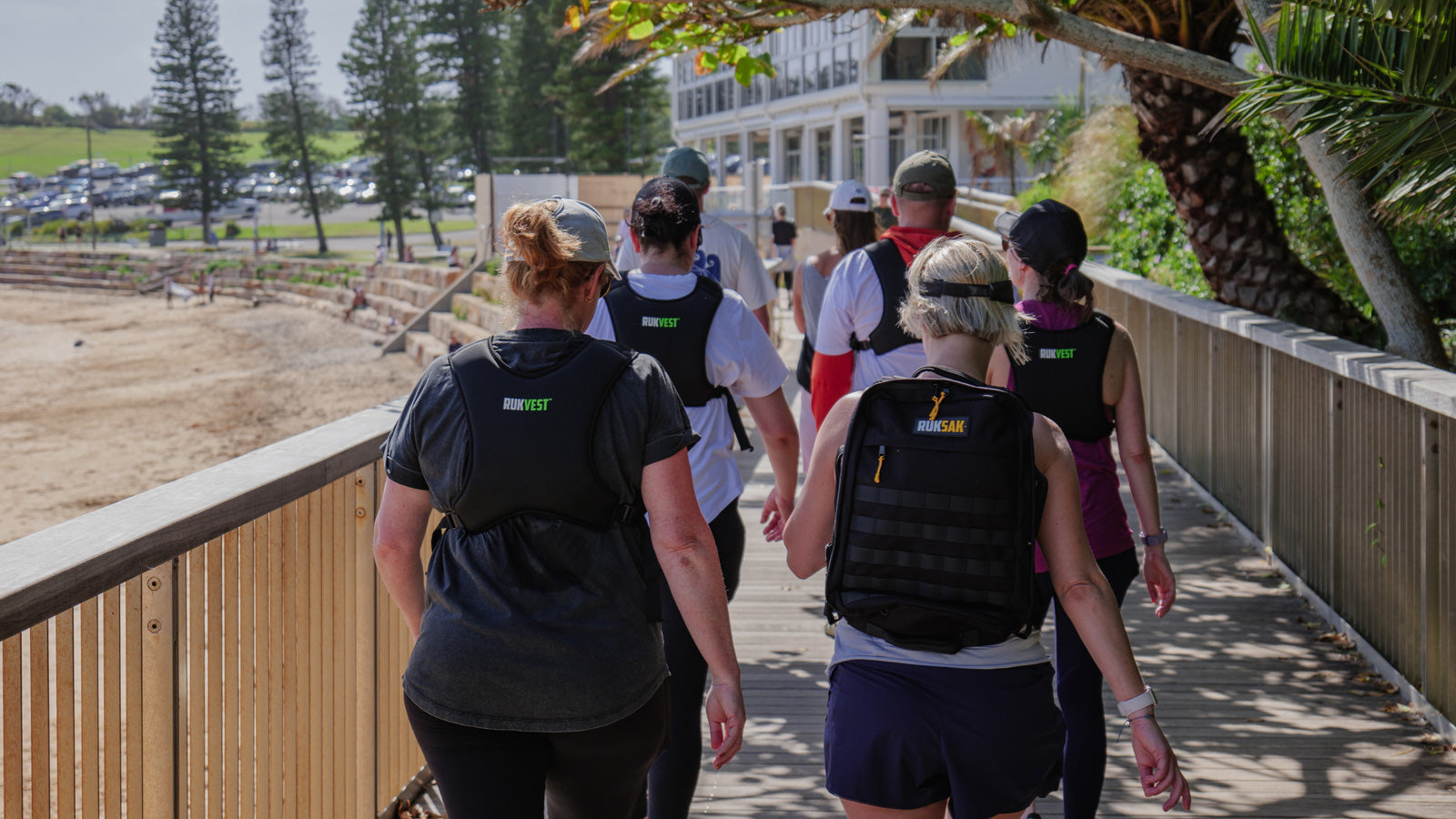
A balanced combination of resistance training and cardiovascular exercise can optimise fat loss without spiking cortisol too much. THIS IS WHERE RUCKING IS KING
- Resistance training: Builds lean muscle, which helps burn more calories at rest. It also helps counteract the muscle breakdown that can occur with high cortisol levels.
- Moderate cardio: Instead of long, intense cardio sessions (which can increase cortisol), opt for moderate-intensity activities like Rucking for 30-45 minutes, 3-4 times per week. These exercises burn fat without excessively raising cortisol.

-
Workout timing can play a role in cortisol management:
- Morning workouts: Cortisol levels are naturally higher in the morning, so engaging in exercise during this time can align with your body’s rhythm. However, if you're prone to high cortisol, avoid very intense morning workouts like long HIIT sessions.
- Evening workouts: Light or moderate exercise in the evening, such as yoga or walking, can help lower cortisol and promote relaxation before sleep. Walking in nature has been clinically proven to reduce cortisol levels.
Avoid intense workouts late at night, as they can raise cortisol and interfere with sleep.
-
Avoid Overtraining
Overtraining—exercising too intensely or too frequently—can elevate cortisol levels and hinder fat loss. It can also lead to burnout and injuries, which further stress the body. Instead:
- Limit high-intensity interval training (HIIT) to 1-2 sessions per week, and keep these workouts short (20-30 minutes). While HIIT can be effective for fat loss, too much can lead to elevated cortisol.
- Ensure rest days or incorporate active recovery (e.g., light walking, swimming, or stretching). Recovery is essential for allowing cortisol levels to return to normal and for muscle repair and growth.
-
Focus on Sleep and Recovery
Poor sleep is associated with increased cortisol levels, which can lead to more fat storage, particularly in the abdominal area. To manage cortisol, you need to optimize recovery through quality sleep.
- Get 7-9 hours of sleep per night: Adequate sleep helps regulate cortisol levels, supports muscle recovery, and promotes fat loss.
- Prioritise rest and relaxation: Incorporate stress-reducing activities like meditation, deep breathing, and gentle yoga to help lower cortisol. These activities also help improve sleep quality.

-
Nutrition for Cortisol and Fat Loss
Your diet plays a significant role in both managing cortisol and supporting fat loss.
- Ensure each meal contains a balance of protein, healthy fats, and complex carbohydrates to maintain stable blood sugar levels. Stable blood sugar reduces stress on the adrenal glands and prevents cortisol spikes.
- Avoid refined sugars and simple carbs: These can cause blood sugar swings, leading to more cortisol release.
- Include cortisol-lowering foods such as food rich in magnesium (leafy greens, nuts), vitamin C (citrus, berries), and omega-3 fatty acids (salmon, flaxseeds) can help regulate cortisol levels.
- Stay hydrated: Dehydration can increase cortisol levels, so make sure to drink enough water throughout the day.
- Avoid excess caffeine: Caffeine can increase cortisol levels, especially if consumed in large amounts. Limit your intake to avoid spiking cortisol unnecessarily.
-
Mindfulness and Stress Management
Reducing stress is key to managing cortisol and optimising fat loss:
- Mindfulness and meditation: Daily meditation, even for just 10 minutes, can significantly reduce cortisol levels. This promotes fat loss by preventing stress-related weight gain and helps control emotional eating.
- Breathing exercises: Deep breathing techniques activate the parasympathetic nervous system, which helps lower cortisol and promotes relaxation.
Summary of Strategy:
- Focus on moderate-intensity exercises like walking, strength training, and Rucking.
- Avoid overtraining and long, intense cardio sessions that spike cortisol.
- Prioritise sleep, recovery, and relaxation techniques to manage cortisol levels.
- Eat balanced meals rich in nutrients that support fat loss and cortisol regulation.
- Stay consistent with your exercise routine and emphasise stress management practices like meditation or breathing exercises.
Written by Dr (Osteo) Lisa Vaughan
B.App.Sci(Osteo)
Osteopath, Fitgenes DNA practitioner, wife, mother, Health and Wellbeing fanatic.



Share:
Rucking vs. Running: Which is Best for You?
Taking LISS training to the Next Level with Rucking